As a pregnancy yoga instructor, I often remind my students that prenatal health goes far beyond gentle movement and breathwork; it’s also about mindful nutrition and understanding how certain vitamins influence birth outcomes. One nutrient that deserves special attention is vitamin D, often called the “Sunshine Vitamin.”
I’ve been reading more about its powerful benefits, and during the darker months, I make sure everyone in my family gets their daily dose. Beyond supporting bone strength and immunity, vitamin D in pregnancy plays a vital role in how your body prepares for birth.
The Link Between Vitamin D and Cesarean Delivery
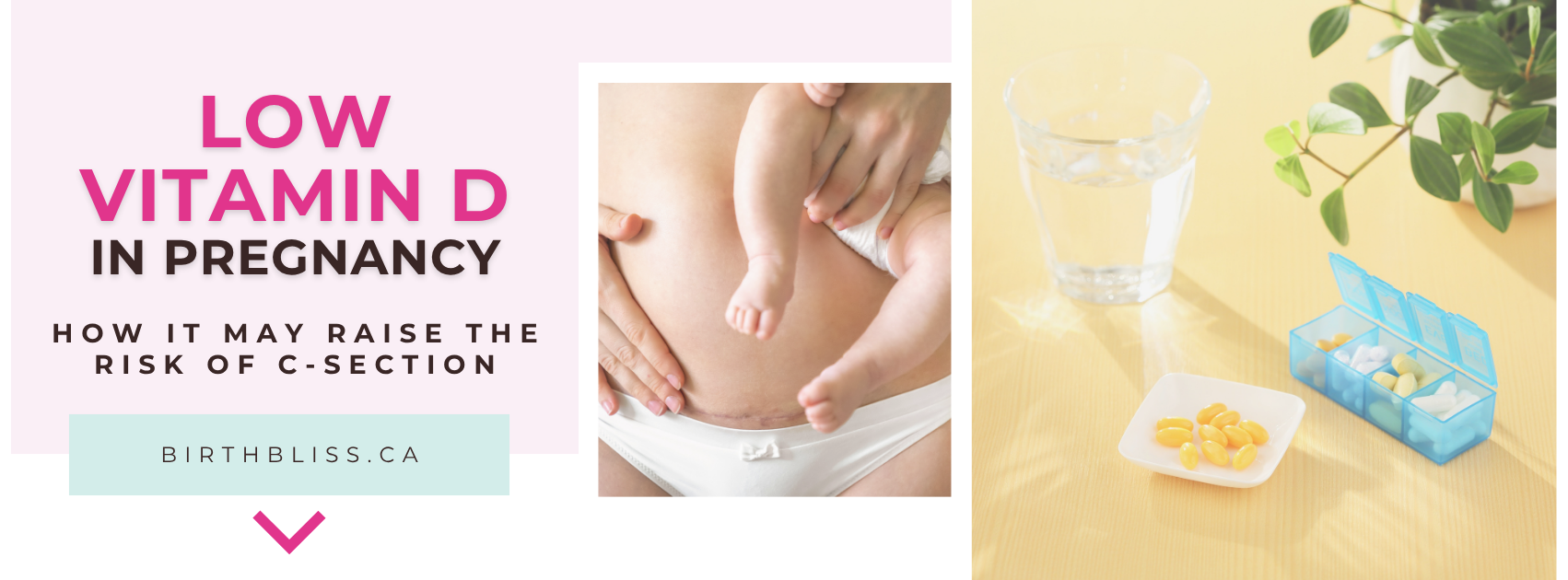
A study published in the Journal of Clinical Endocrinology & Metabolism found that women with prenatal vitamin D deficiency were nearly twice as likely to need a cesarean delivery. Among 253 pregnant women studied, 28% with low levels of vitamin D underwent surgical birth, compared to 14% with sufficient levels.
While researchers are still exploring the exact connection, possible cesarean delivery causes linked to low vitamin D may include reduced muscle strength (especially in the uterus and abdomen), higher blood pressure, and poor bone or calcium metabolism, all of which can affect how smoothly labor progresses. These factors are part of what we call vaginal vs cesarean delivery risk factors in prenatal studies.
Why Maternal Vitamin D Matters
Your maternal 25-hydroxyvitamin D level (the main form measured in blood) is now recognized as a key indicator of birth outcomes and maternal nutrition. Low levels have been associated with pregnancy complications such as preeclampsia, gestational diabetes, and preterm birth, issues collectively referred to as pregnancy complications linked to vitamin D.
Ensuring proper vitamin D intake supports not only a smoother labor but also postpartum healing. Adequate postpartum recovery vitamin D levels can help with energy, bone strength, and emotional balance after birth.
Sources and Supplementation
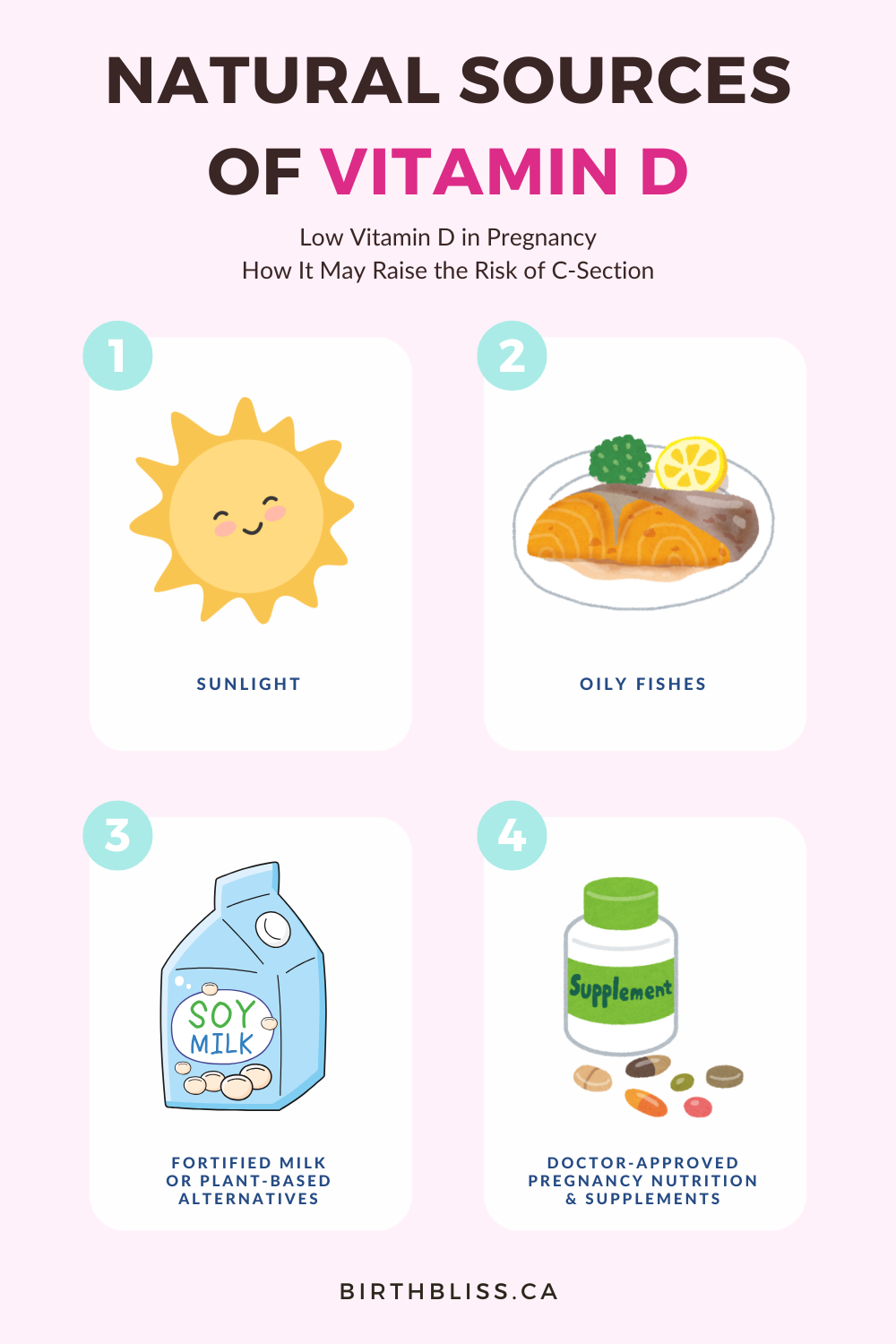
Vitamin D is unique because it’s both a nutrient and a hormone that your body produces when exposed to sunlight. However, during pregnancy, or in regions with limited sun exposure, it’s often hard to get enough. Natural sources include:
- Sunlight (about 10–15 minutes a few times a week)
- Oily fish like salmon or sardines
- Fortified milk or plant-based alternatives
- Doctor-approved pregnancy nutrition & supplements
Many health experts recommend at least 1000 IU of vitamin D daily in addition to what’s included in standard prenatal vitamin supplementation. Still, it’s best to discuss your needs during antenatal care, as every woman’s vitamin level and lifestyle differ.
Supporting Prenatal Health Holistically
For expectant mothers, combining pregnancy wellness vitamin supplementation with mindful lifestyle practices, like prenatal yoga, balanced meals, and outdoor movement, can help optimize obstetric outcomes linked to vitamin D status. Remember, prenatal health and vitamin levels are not just numbers; they reflect how well your body is preparing to bring new life into the world.
Whether your goal is to reduce your risk of C-section, strengthen your birthing muscles, or simply enhance your overall pregnancy wellness, don’t overlook this powerful nutrient. A few minutes of sunshine, a nourishing diet, and consistent prenatal care can make a meaningful difference in your journey toward a healthy, empowered birth.
✨Exclusive Deals:
- Grab Mellow Mornings for Pregnancy for a calm start to your day filled with baby love 💖 https://get.birthbliss.ca/mellow-mornings/
- Get relief from pregnancy nausea! 🤢 → 😌 Discover the Bye–Bye Morning Sickness Formula: https://get.birthbliss.ca/bye-byemorningsickness/
- Find Connection Inside BLOOMFUL. 🌸 Join a community of expecting moms just like you, exploring holistic tools for a better pregnancy. https://get.birthbliss.ca/bloomful/
- Grab the Guide to an Easier Birth 🌟: https://get.birthbliss.ca/bb/
- Join our FREE → ❤️ LOVE Your Birth Workshop: You’ll learn 3 steps to ease pain during labor (without an epidural): https://get.birthbliss.ca/training/