
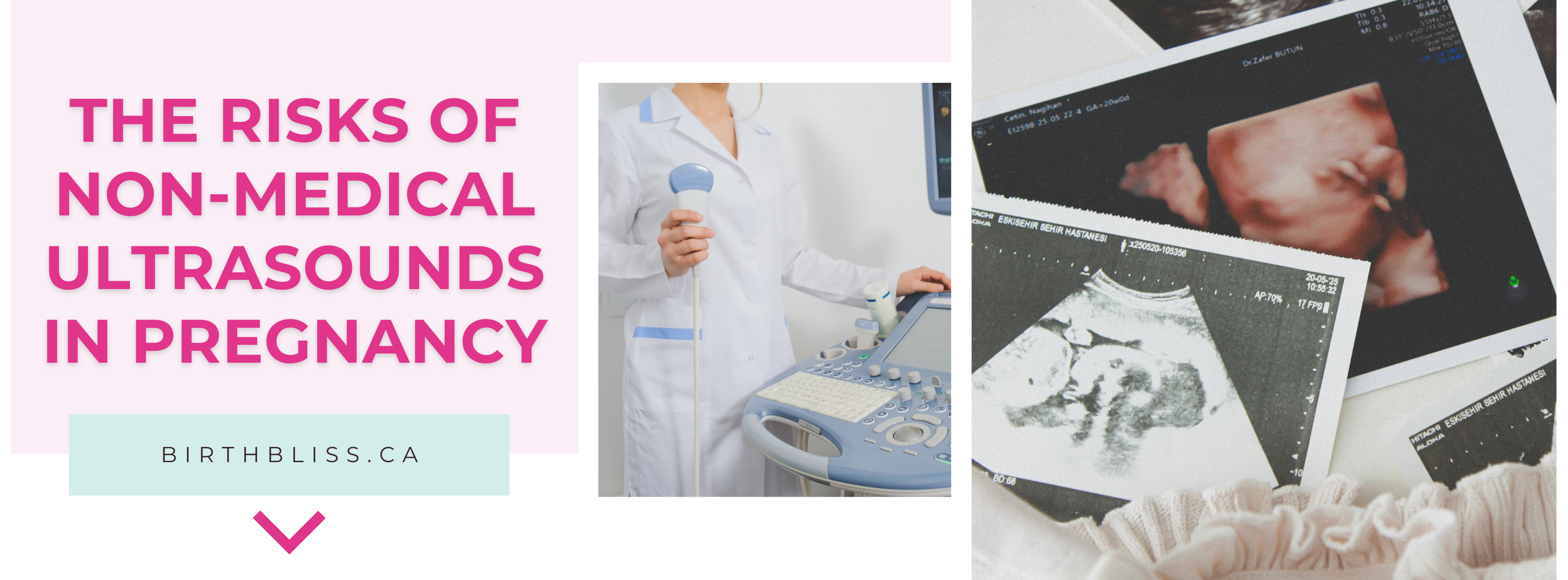
Ultrasound Safety in Pregnancy: Why “Entertainment” Scans Carry Risks
Expectant parents are often the most diligent researchers. From ensuring they meet the recommended folic acid targets to avoiding certain foods, the goal is always the same: giving their baby the healthiest start possible. While most families are well-aware of the risks associated with smoking or alcohol, a growing trend in “boutique” imaging is raising alarms among health professionals regarding prenatal care and fetal safety.
While it is tempting to get a high-definition glimpse of a baby’s face, it is vital to prioritize medical necessity over souvenirs. Understanding ultrasound safety in pregnancy involves looking past the screen and into the science of acoustic energy.
The Science of Fetal Development and Ultrasound Exposure
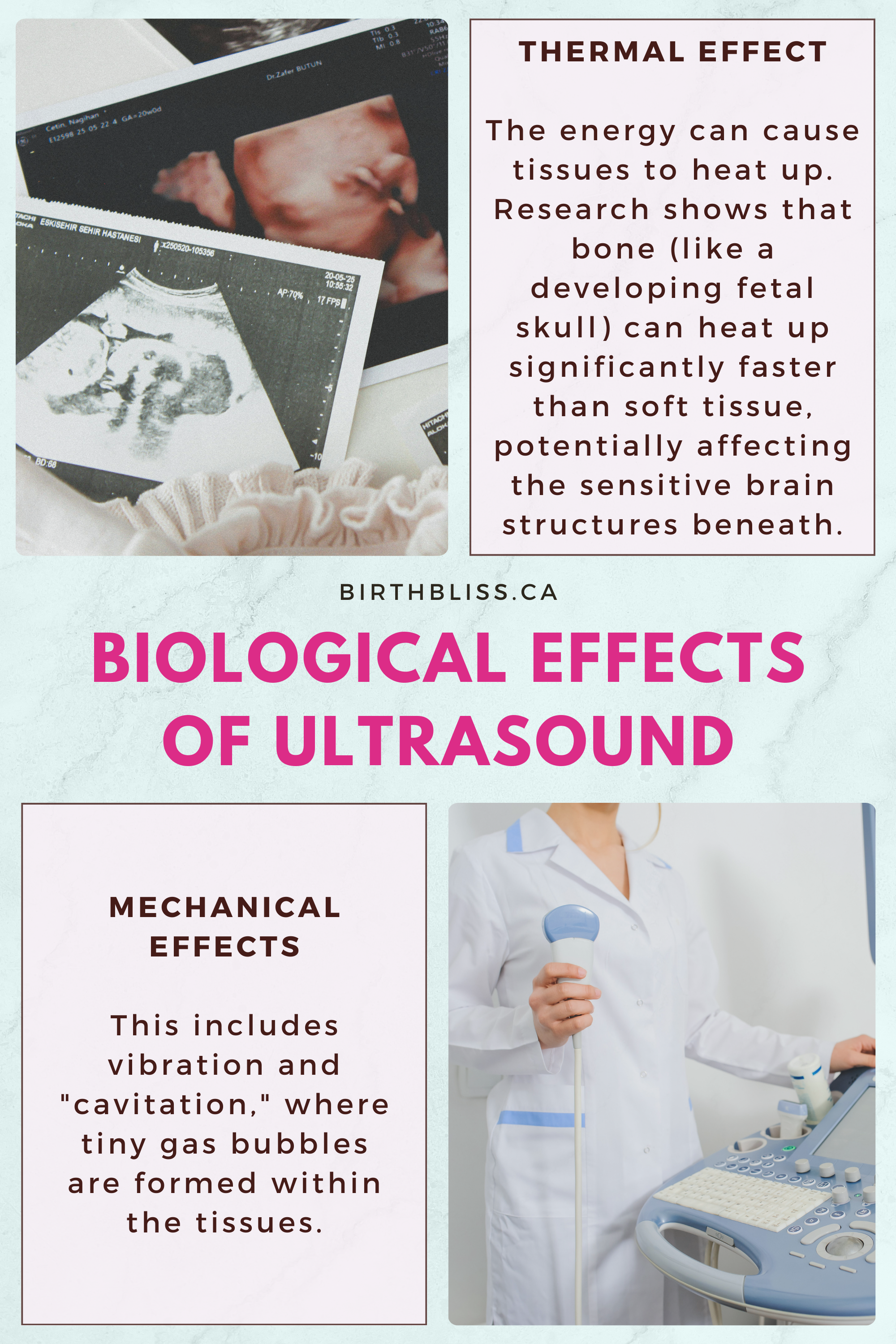
Ultrasound is often mistaken for a simple camera, but it is actually a form of mechanical energy. It works by sending high-frequency sound waves into the body, which can produce two primary biological effects:
- Thermal Effects: The energy can cause tissues to heat up. Research shows that bone (like a developing fetal skull) can heat up significantly faster than soft tissue, potentially affecting the sensitive brain structures beneath.
- Mechanical Effects: This includes vibration and “cavitation,” in which tiny gas bubbles form within the tissues.
Because of these factors, fetal development and ultrasound exposure must be carefully balanced. While diagnostic scans are safe when performed by professionals, non-medical ultrasound risks increase when the “output” is turned up for longer periods just to get a “perfect” picture.
Health Canada Ultrasound Recommendations
Current Health Canada ultrasound recommendations are clear: ultrasound should not be used solely for non-medical reasons, such as learning the sex of the fetus for a “reveal” or creating commercial videos.
Entertainment ultrasound concerns arise because boutique facilities often sell “packages” based on time. The more you pay, the longer your baby is exposed to high-intensity sound waves. Furthermore, these operators may lack the medical training to recognize abnormalities, or worse, they may provide false reassurance without the clinical context of medical ethics in pregnancy imaging.
The “Off-Label” Use of Medical Equipment
Many “fun” facilities claim their machines are licensed by Health Canada. However, it is important to know that this license ensures safety only when the machines are used for diagnostic purposes. Using medical equipment for entertainment is considered “off-label,” the same principle as taking a prescription medication without a doctor’s orders.
The Saskatchewan Association of Diagnostic Medical Sonographers emphasizes that a medical sonographer is bound by professional ethics to use the lowest amount of energy for the shortest time (the ALARA principle). In a commercial facility, there is no such requirement.
Making the Best Choice for Your Baby
Every parent wants a connection with their child, but the best way to bond is to ensure their environment remains safe. If you want to see your baby in 3D, talk to your healthcare provider. Most medical scans now include these views as part of a comprehensive health check, where ultrasound safety in pregnancy remains the top priority.
By sticking to medically indicated scans, you are choosing a path of responsible use of medical ultrasound that protects your baby’s developing brain and body.
✨Exclusive Deals:
- Grab Mellow Mornings for Pregnancy for a calm start to your day filled with baby love 💖 https://get.birthbliss.ca/mellow-mornings/
- Get relief from pregnancy nausea! 🤢 → 😌 Discover the Bye-Bye Morning Sickness Formula: https://get.birthbliss.ca/bye-byemorningsickness/
- Find Connection Inside BLOOMFUL. 🌸 Join a community of expecting moms just like you, exploring holistic tools for a better pregnancy. https://get.birthbliss.ca/bloomful/
- Grab the Guide to an Easier Birth 🌟: https://get.birthbliss.ca/bb/
- Join our FREE → ❤️ LOVE Your Birth Workshop: You’ll learn 3 steps to ease pain during labor (without an epidural): https://get.birthbliss.ca/training/






5 thoughts on “The Risks of Non-Medical Ultrasounds in Pregnancy”
Can you provide any insight or resources related to fetal heart monitoring/doplar devices and their possible effects or considerations to be made? At this point we have requested the use of the fetal scope rather than the doplar to hear our baby’s heart beat.
Hi Lindsey,
Many midwifes use a fetal scope for the same reasons as mentioned in the above post. I don’t believe there has been any scientific research that shows any negative effects from using a doplar devices. They are used almost universally in all hospital settings during labour and birth. As with ultrasound I believe that doplars have their place, but should be used responsibly. If your care provider, doctor or midwife, is ok with using a fetal scope and is able to detect the baby’s heart rate using the scope, then it is definitely a more cautious way to go, and perhaps safer. I hope this helps.
Marie
How can you explain if the ultrasound is not safe but I went through 5 ultrasounds for my pregnancy. I saw different doctors and none of them explained me the risk I was taking. You say it is not safe and there is some risk involved. Ethical and sincere community would put these risks in front of the mothers before sending them for ultrasounds.
Hi Tracey,
I don’t think that anyone is saying that using ultrasounds for medical reasons during pregnancy is unsafe. Most doctors will agree with that. There is much very important health information that can be gathered from an ultrasound. And therefore the great benefits (such as determining fetal position, and cord and placenta function) greatly outweigh any possible risks. The concern is with “entertainment” ultrasounds. The ultrasound clinics that simply take pictures of your baby for fun. Since there is no health benefit to these ultrasounds, the professional community do not believe they are worth the risk. I hope this makes it more clear. 🙂