
A miscarriage changes everything in an instant. Even in early pregnancy, you may have already pictured your baby, built plans, and imagined a shared future.
While physical recovery takes days or weeks, emotional healing follows its own unpredictable path. Miscarriage grief brings a wave of complex emotions—sadness, anger, guilt, numbness, anxiety, or even relief. There is no single “right” way to grieve, and no timeline you are required to follow. Your loss is real, and your feelings matter.
Validating Your Loss
One of the hardest parts of pregnancy loss is the pressure to move on quickly. Well-meaning comments like “You can try again” or “It was still early” can make your grief feel invisible.
Your loss matters, regardless of how early it occurred, whether you met your baby, or how many people knew about the pregnancy. You formed a real bond, and you do not need to justify your pain to anyone.
What to Expect After a Miscarriage Emotionally
Emotional recovery after a miscarriage is rarely linear. You might feel steady one day and overwhelmed the next. Seeing a pregnant woman, hearing a baby name, or reaching your original due date can trigger sudden waves of grief.
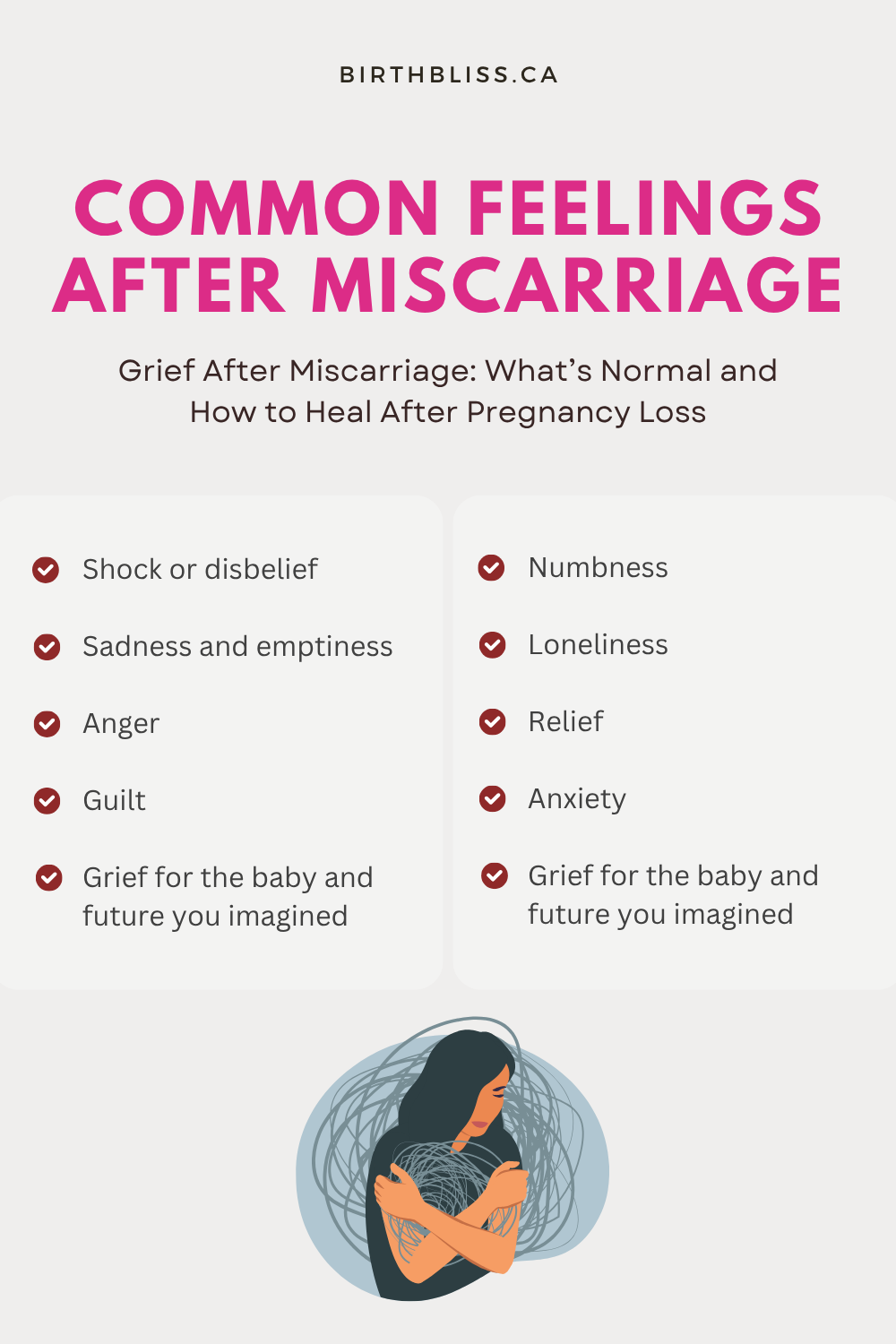
Common feelings after miscarriage include:
- Shock or disbelief
- Sadness and emptiness
- Anger
- Guilt
- Anxiety
- Numbness
- Loneliness
- Relief
- Fear about another pregnancy
- Grief for the baby and the future you imagined
These feelings may not happen in a particular order. You may even experience emotions that seem to contradict each other. You can feel devastated and relieved, hopeful and afraid, or peaceful and heartbroken.
All of these experiences can be part of pregnancy loss grief.
Understanding the Stages of Grief After Miscarriage
You may have heard about the stages of grief after miscarriage: denial, anger, bargaining, sadness, and acceptance.
This framework can help describe some experiences, but grief does not always follow these stages neatly. You may skip a stage, experience several at once, or return to a feeling you thought you had already worked through.
1. Shock and Disbelief
You may feel numb, disconnected, or like what happened isn’t real.
This does not mean you don’t care. Sometimes your mind and body need time to process something that happened suddenly.
2. Anger
You may feel angry at your body, circumstances, healthcare providers, yourself, or life itself.
You might also feel guilty for being angry. But anger can be a natural response to loss, helplessness, and unfairness. You don’t have to judge it. Give yourself a safe space to acknowledge it.
3. Bargaining and “What Ifs”
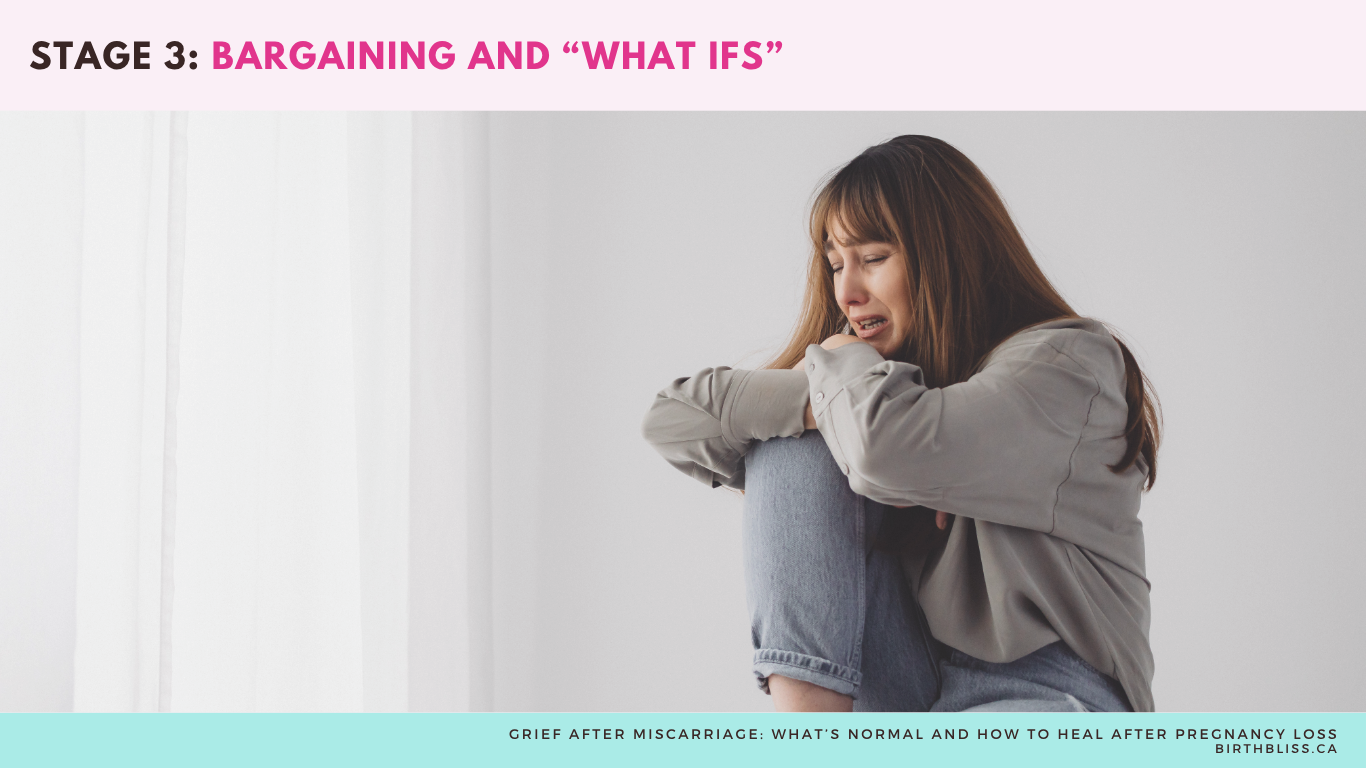
Bargaining can sound like:
What if I had rested more?
What if I had done something differently?
These thoughts can make you feel responsible for something that may not have been within your control.
If you find yourself blaming yourself, talking with your healthcare provider about what happened medically may help you understand what you know and what remains uncertain.
4. Sadness, Longing, and Grief
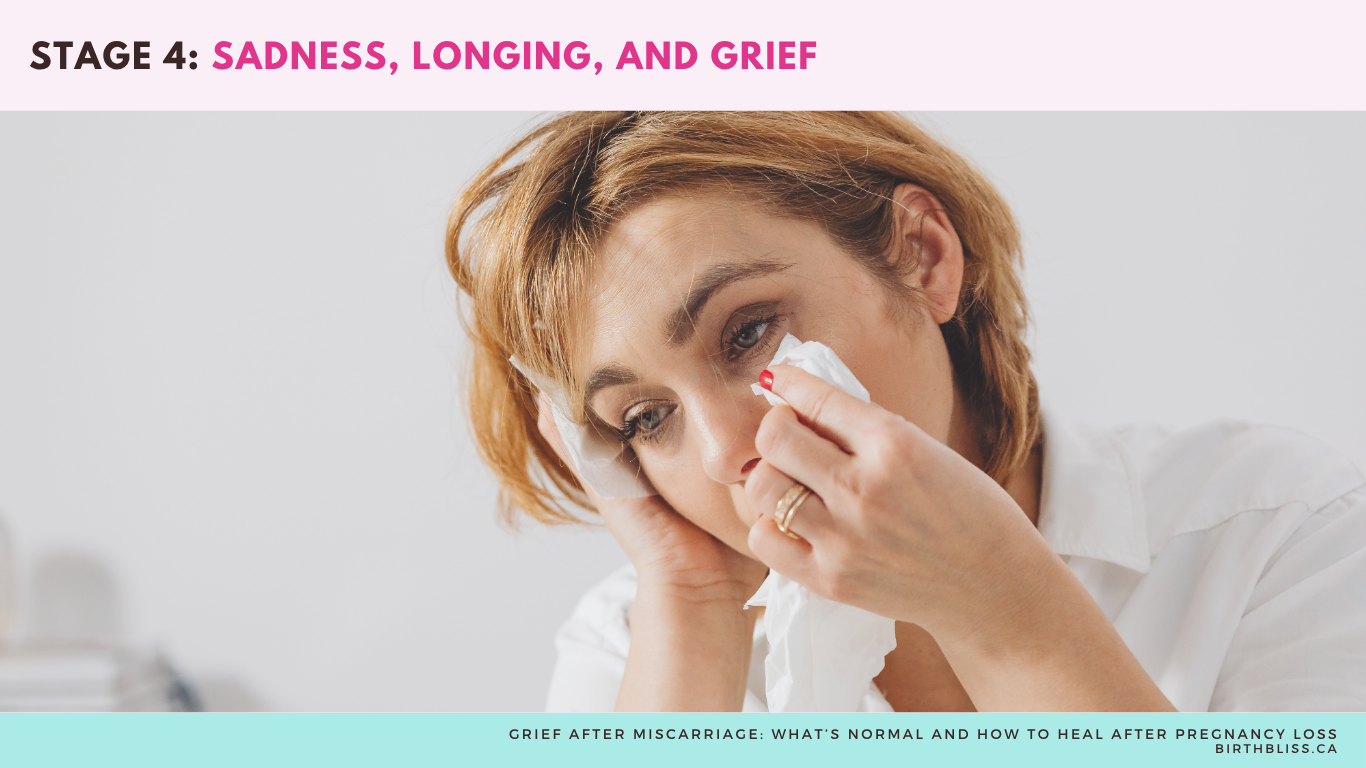
You may cry unexpectedly or feel a heaviness or emptiness that is difficult to explain.
You may grieve your baby, but you may also grieve the future you imagined.
Some women grieve immediately. Others experience stronger emotions later. Some feel their grief emotionally, while others notice it more in their body.
There is no correct way to experience sadness.
5. Integration
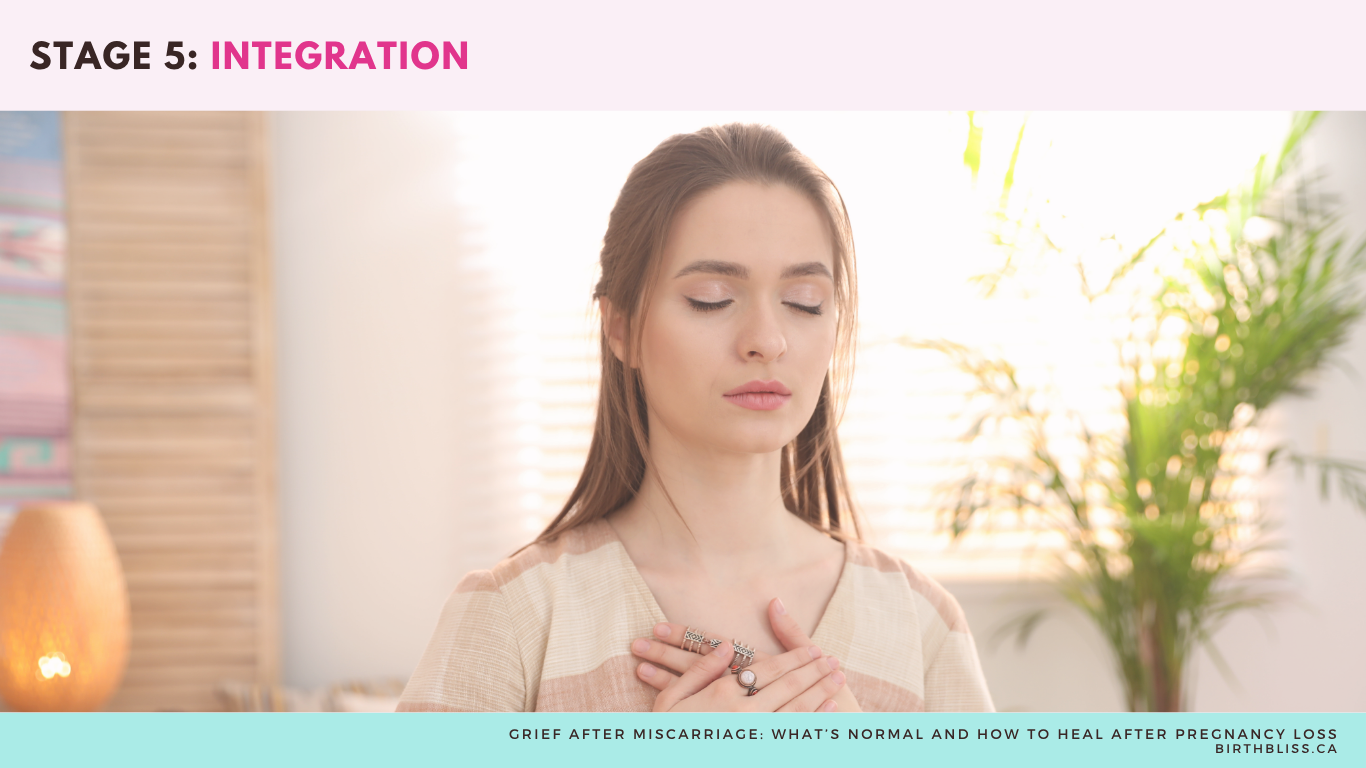
Healing does not necessarily mean forgetting.
Over time, you may notice longer periods when you feel like yourself again. You may laugh without feeling guilty or remember your pregnancy without feeling completely overwhelmed.
This does not mean the loss stopped mattering. It means you are learning how to carry the experience while continuing to live your life.
How to Cope With Pregnancy Loss
There is no perfect formula for how to cope with pregnancy loss. Focus on what helps you feel supported, safe, and less alone.
1. Permit Yourself to Grieve
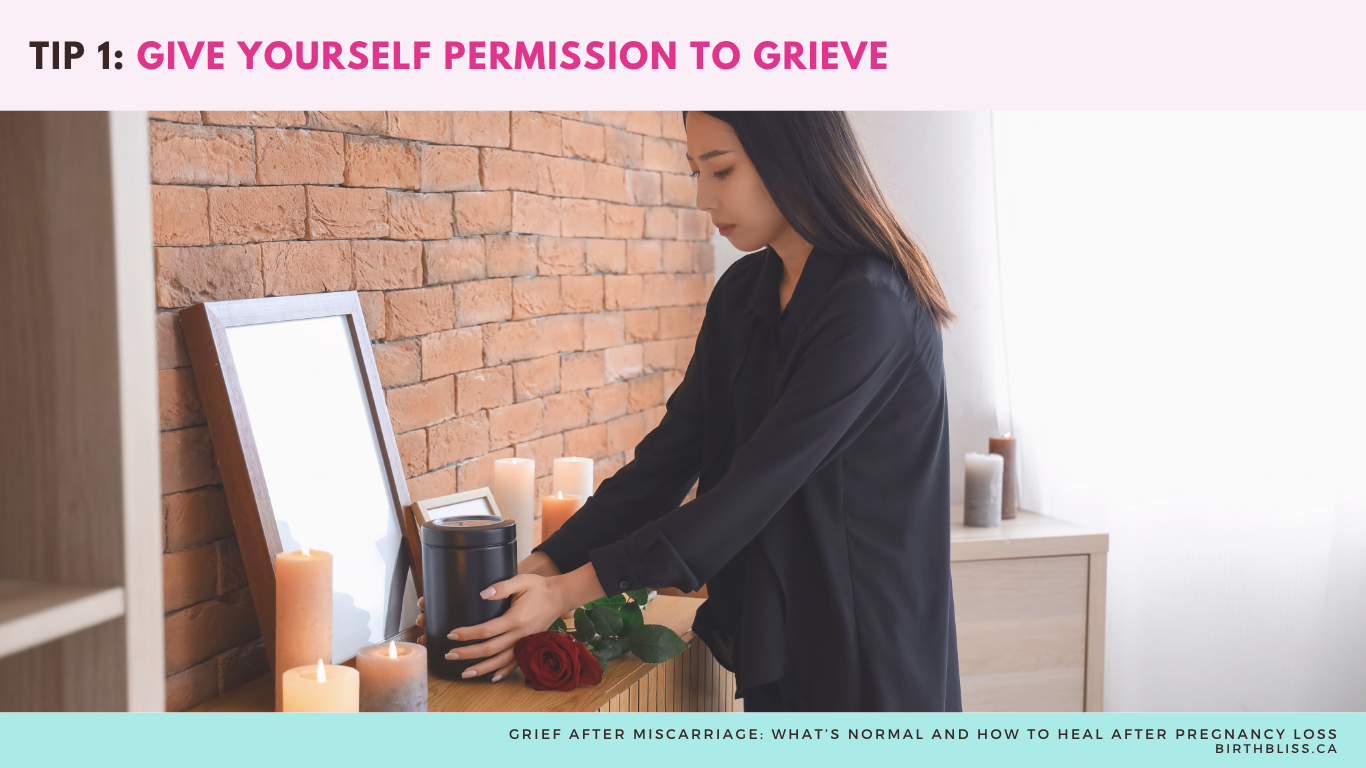
You don’t have to be productive every day.
If you need to cry, cry. If you need quiet, take quiet. If you need to talk about your baby, talk about your baby.
Your healing does not need to look like anyone else’s.
2. Talk to Someone You Trust
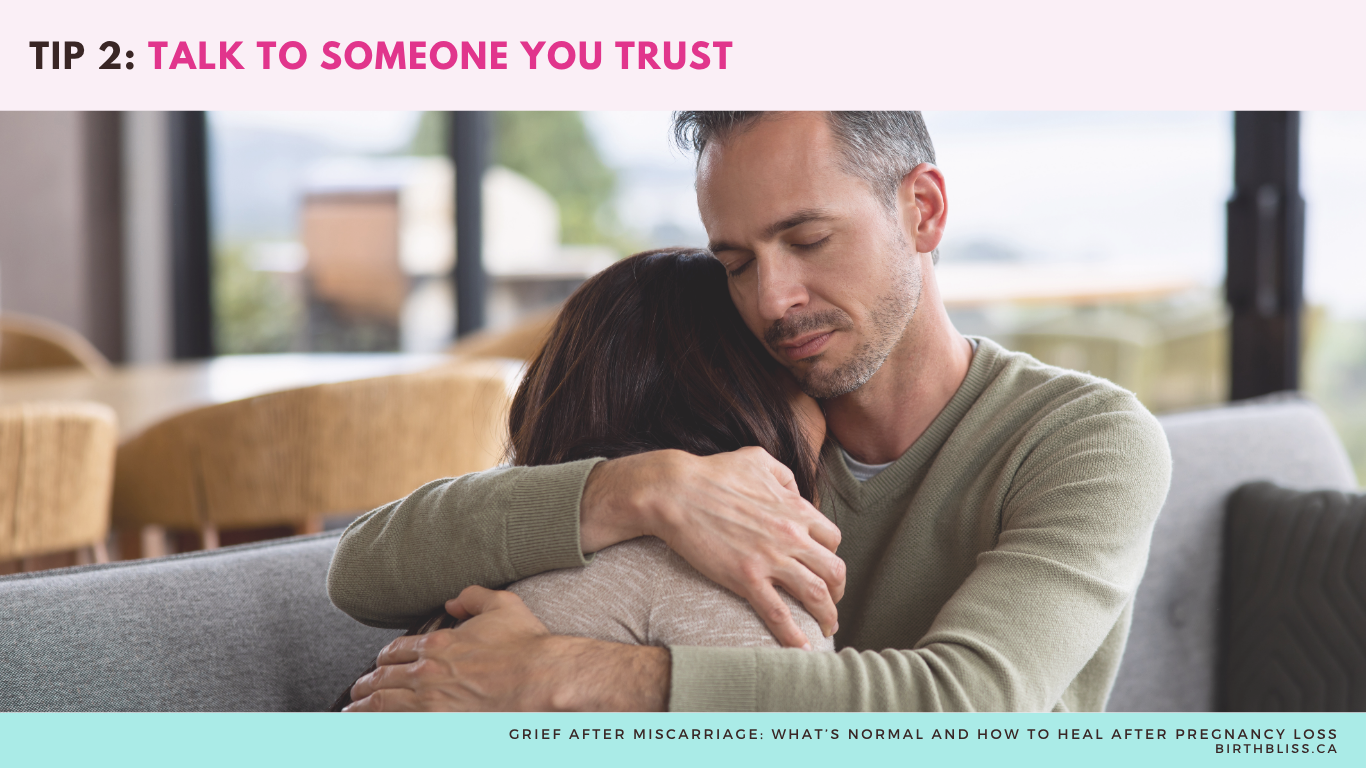
Consider talking with your partner, a trusted friend, family member, counselor, midwife, or doctor.
You can also look for people who have experienced pregnancy loss. Sometimes being understood by someone who has been through something similar can bring comfort.
3. Take Care of Your Body

Emotional and physical recovery are connected.
Rest when you need to. Eat regularly. Stay hydrated and follow your healthcare provider’s instructions while your body recovers.
Your body has been through something significant. It deserves gentleness, not punishment.
4. Create Your Own Way to Remember
You might write a letter to your baby, keep an ultrasound photo, plant a flower, light a candle, or simply have a quiet moment to acknowledge your pregnancy.
There is no right way to remember.
Sometimes healing begins with simply saying:
This happened. My baby mattered. And I am allowed to grieve.
Emotional Healing After Miscarriage Takes Time
Emotional healing after miscarriage is rarely a straight line.
You may feel better and then suddenly feel sad again. You may feel ready to try for another pregnancy while still grieving the one you lost. Or you may not want to think about another pregnancy at all.
There is no deadline.
Miscarriage recovery emotionally may take longer than the physical recovery, and that is okay.
Healing does not mean pretending it didn’t happen. It means gradually finding ways to feel safe, supported, and present again.
Knowing When to Seek Help
Healing takes time, but you do not have to navigate it in isolation. Reach out to a healthcare or mental health professional if your grief feels unmanageable, leads to persistent anxiety, or interferes with daily life.
Medical Note: If you experience severe physical symptoms, such as abnormally heavy bleeding, sharp abdominal pain, high fever, or dizziness, seek emergency medical attention immediately.
Bloom After Loss: Gentle Support After Miscarriage
If you’re looking for miscarriage emotional support, BirthBliss offers Bloom After Loss, a donation-based support program for women navigating pregnancy loss.
The program recognizes that healing can involve more than physical recovery. It can also mean caring for your emotions, your body, and your sense of safety after something deeply difficult.
As Marie shares:
“Your loss matters even if that loss happened very early on.”
There is no pressure to move on and no requirement to feel a certain way. You can take the process at your own pace and return to practices as you need them.
Learn more about Bloom After Loss: https://get.birthbliss.ca/miscarriage/
You Don’t Have to Heal on Anyone Else’s Timeline
If you’re dealing with grief after pregnancy loss, remember that there is no perfect timeline.
You might have good days and difficult days. You might laugh and then cry. You might feel hopeful one morning and overwhelmed that evening.
That doesn’t mean you’re going backward.
It means you’re human.
How to heal after miscarriage is not about forgetting your baby or forcing yourself to feel better. It is about making space for your grief while slowly reconnecting with yourself.
You can miss your baby and still experience joy.
You can remember your pregnancy and still look toward the future.
You can grieve and heal at the same time.
And you don’t have to do it alone.
Exclusive Deals:
- FREE Pregnancy Power Smoothie Guide to Ease Nausea and Boost Energy: https://birthbliss.kit.com/smoothie-guide
- The Ultimate Pregnancy Fuel Guide (Complete with 1-3 months pregnancy diet chart): https://get.birthbliss.ca/pregnancy-fuel-guide/
- Grab Mellow Mornings for Pregnancy for a calm start to your day filled with baby love: https://get.birthbliss.ca/mellow-mornings/
- Get relief from pregnancy nausea! Discover the Bye-Bye Morning Sickness Formula: https://get.birthbliss.ca/bye-byemorningsickness/
- Find Connection Inside BLOOMFUL. Join a community of expecting moms just like you, exploring holistic tools for a better pregnancy.: https://get.birthbliss.ca/bloomful/
- Grab the Guide to an Easier Birth: https://get.birthbliss.ca/bb/
- Join our FREE → LOVE Your Birth Workshop. You’ll learn 3 steps to ease pain during labor (without an epidural): https://get.birthbliss.ca/training/