Remembering your baby after pregnancy loss can bring both comfort and sadness. You may find yourself wondering whether keeping memories, creating a memorial, or celebrating meaningful dates will make your grief easier or more difficult. If you have experienced miscarriage, these feelings are completely understandable.
There is no right or wrong way to remember your baby. Whether your pregnancy ended early or later, your experience mattered, and your love deserves a place in your story.
Is Remembering Your Baby After Miscarriage Healing or Painful?
You may worry that remembering your baby will reopen emotional wounds or make it harder to move forward. But remembering does not mean staying stuck in grief.
For some women, remembering a baby after miscarriage brings comfort and connection. It is a way to honor the love, hopes, and dreams they had for their baby.
Remembrance may also bring sadness or longing, and that is okay. Healing after pregnancy loss does not mean forgetting your baby. It means learning to carry your memories and love while allowing yourself to heal.
Why Remembering Your Baby Can Be Meaningful
Grieving after miscarriage can feel lonely, especially when people around you do not fully understand your experience. Sometimes, pregnancy loss is treated as something that should be forgotten quickly or quietly.
However, pregnancy loss grief deserves acknowledgment.
Creating meaningful ways to remember your baby can help you:
- Acknowledge that your pregnancy and your baby mattered.
- Give your grief a safe and personal place.
- Express feelings that may be difficult to put into words.
- Create meaningful memories during an emotionally confusing time.
- Feel connected to your baby without feeling pressured to move on.
Remembering is not a requirement for healing. It is simply one option that may bring comfort to some women.
13 Gentle Ways to Remember a Baby After Miscarriage
If you are looking for ways to remember a baby after miscarriage, you do not need to plan something elaborate. Even the smallest gestures can hold deep meaning.
Here are some gentle ideas for honoring your baby and creating space for remembrance.
1. Write a Letter to Your Baby
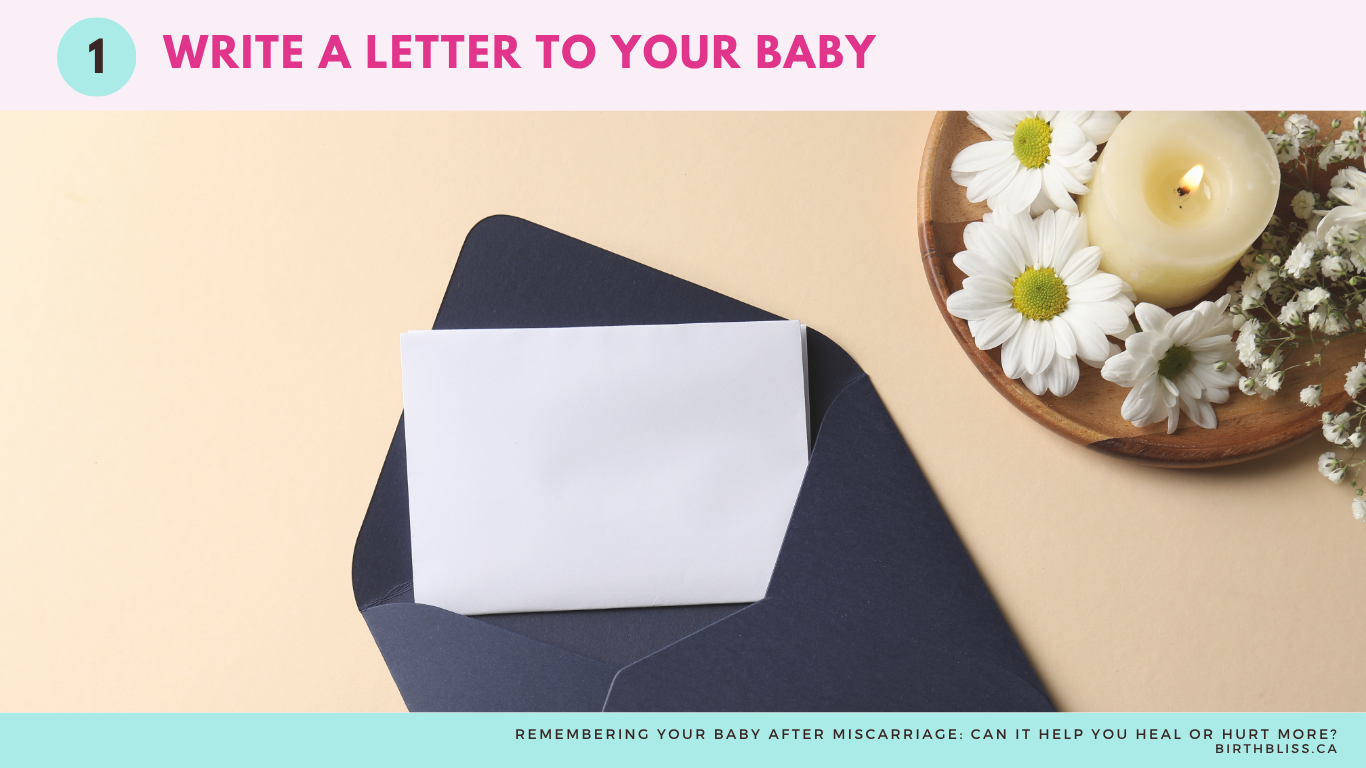
Writing can be a comforting way to express your feelings.
You might write about the dreams you had for your baby, the things you wish you could have experienced together, or the love you still carry.
You can also write a letter to yourself, acknowledging everything your body and heart have been through.
There is no need to make your writing perfect. You can keep it private, place it in a memory box, or simply let the words exist without reading them again.
2. Create a Memory Box
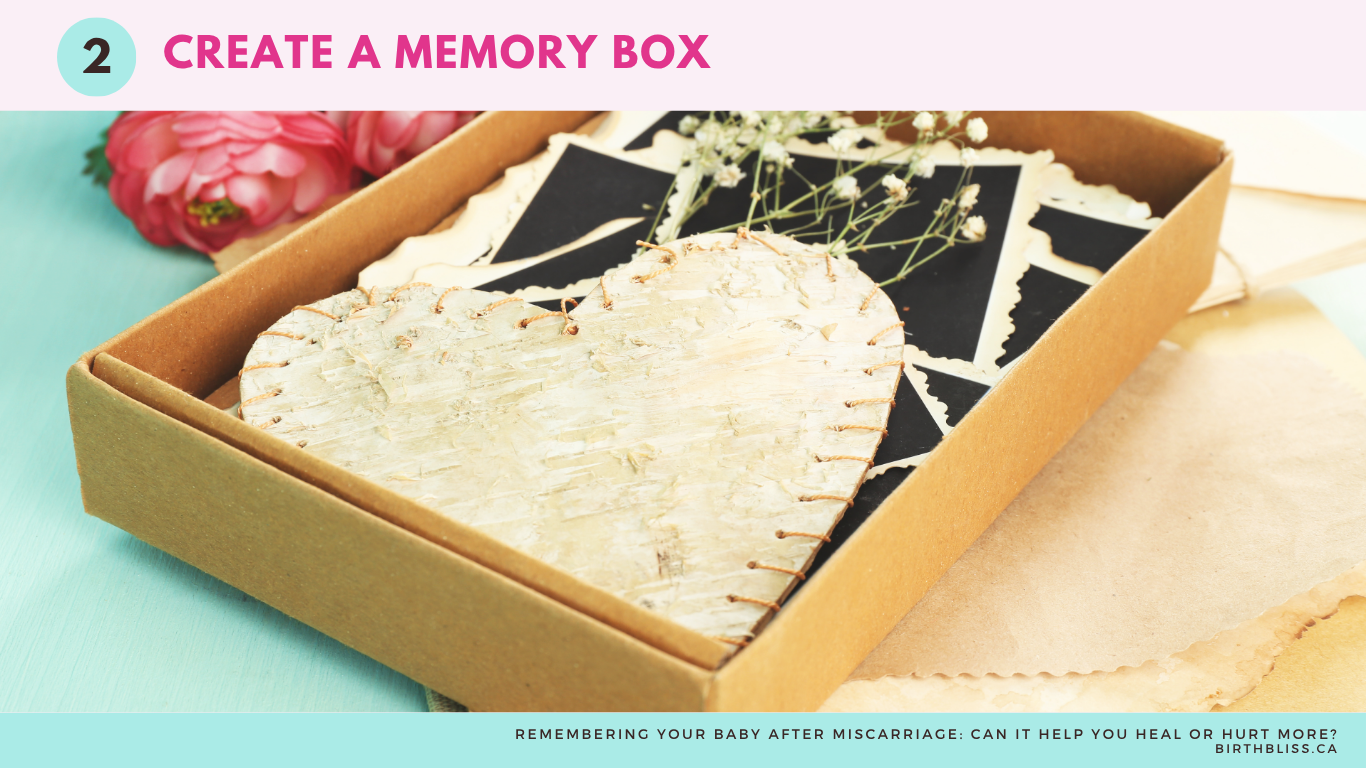
A memory box can be a special place to keep items connected to your pregnancy.
You might include:
- Ultrasound photographs
- Pregnancy test
- A handwritten letter
- A meaningful date or note
- A small keepsake
- A symbolic object that reminds you of your baby
Creating a memory box is one way of memorializing a baby after miscarriage without needing to share your experience with anyone else.
You can open it whenever you feel ready and put it away whenever you need space.
3. Plant a Flower or Tree
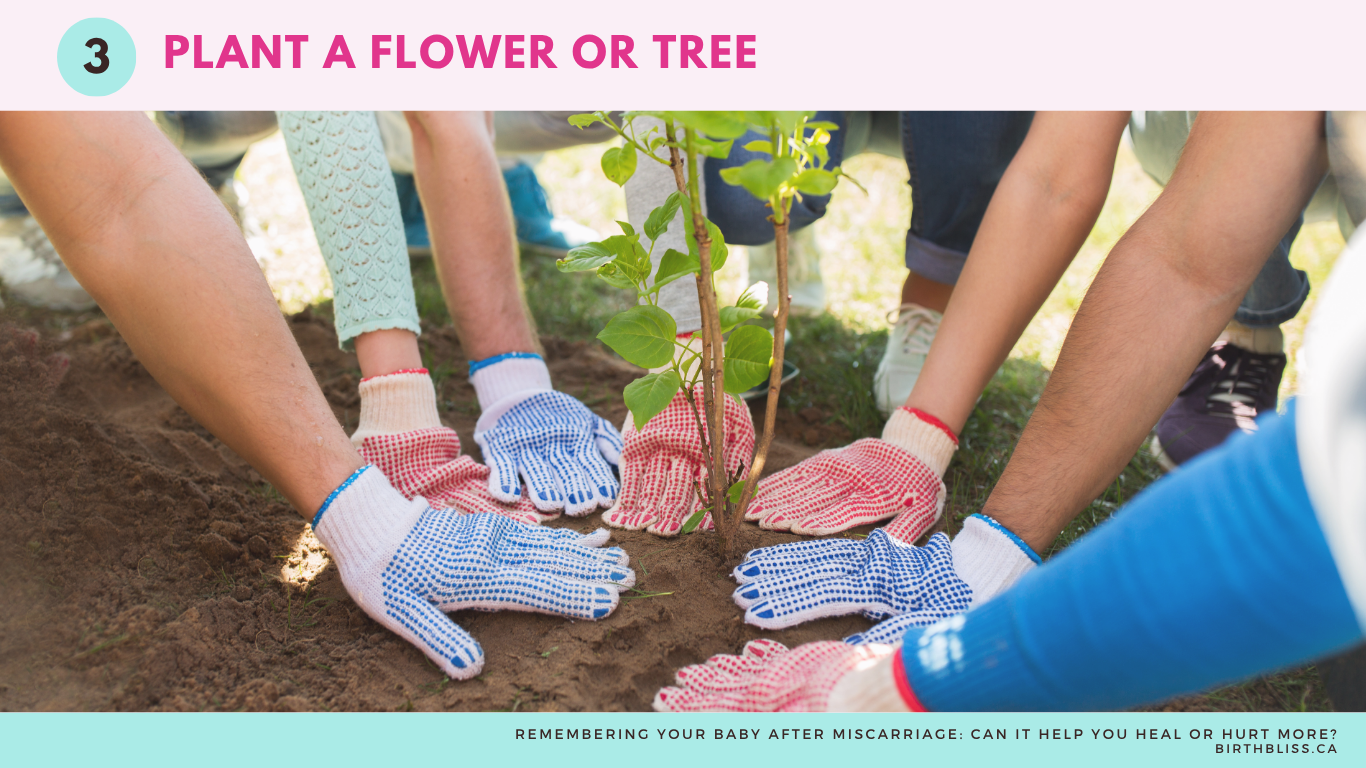
Planting something living can be a beautiful way of honoring a baby after pregnancy loss.
You might choose a flower, a small tree, or a plant that you love. Watching it grow can become a gentle reminder of your baby and the love you carry.
This can also become a peaceful place where you sit, reflect, or simply spend a quiet moment.
4. Light a Candle on Meaningful Dates
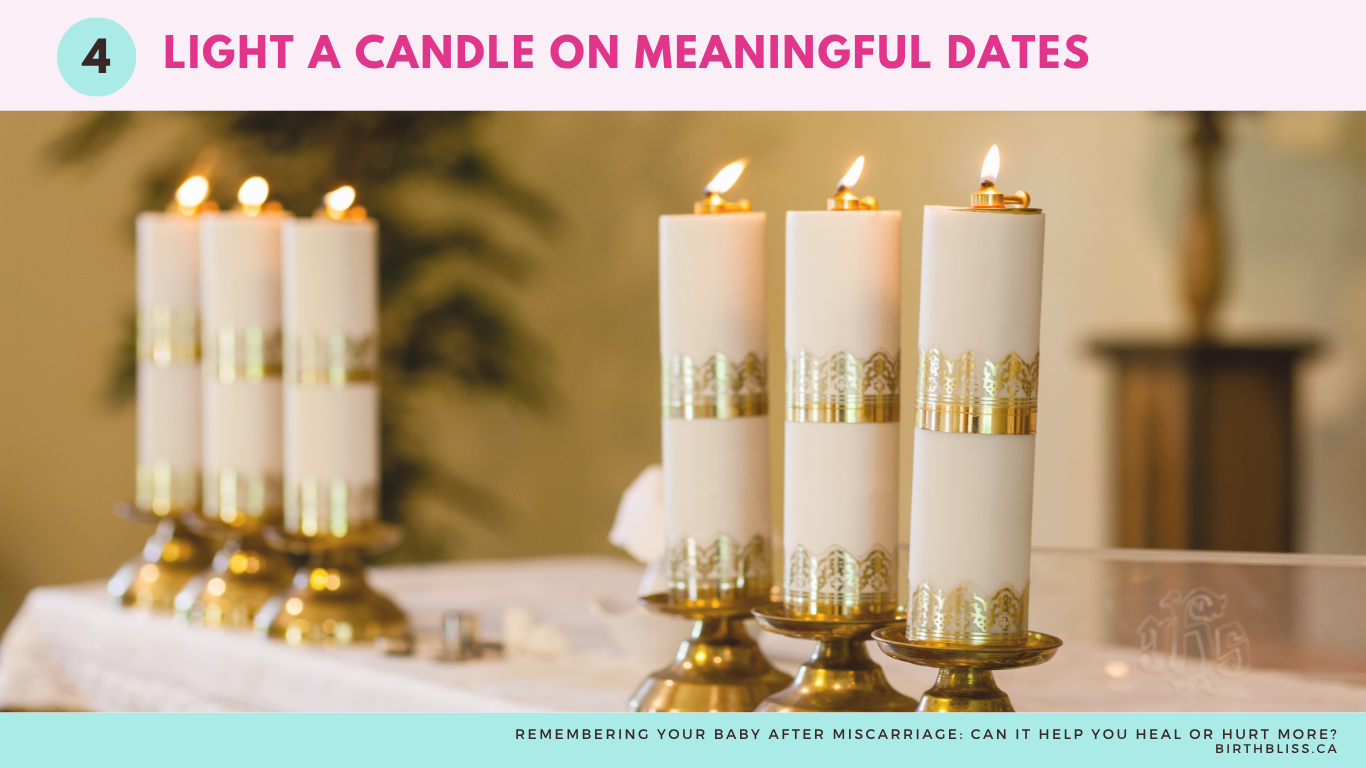
Some women choose to light a candle on their baby’s due date, the anniversary of their miscarriage, or another meaningful day.
This simple ritual can offer a moment to pause and acknowledge your feelings.
You do not need to make the day special for anyone else. It can be something private, just for you.
5. Choose a Meaningful Keepsake
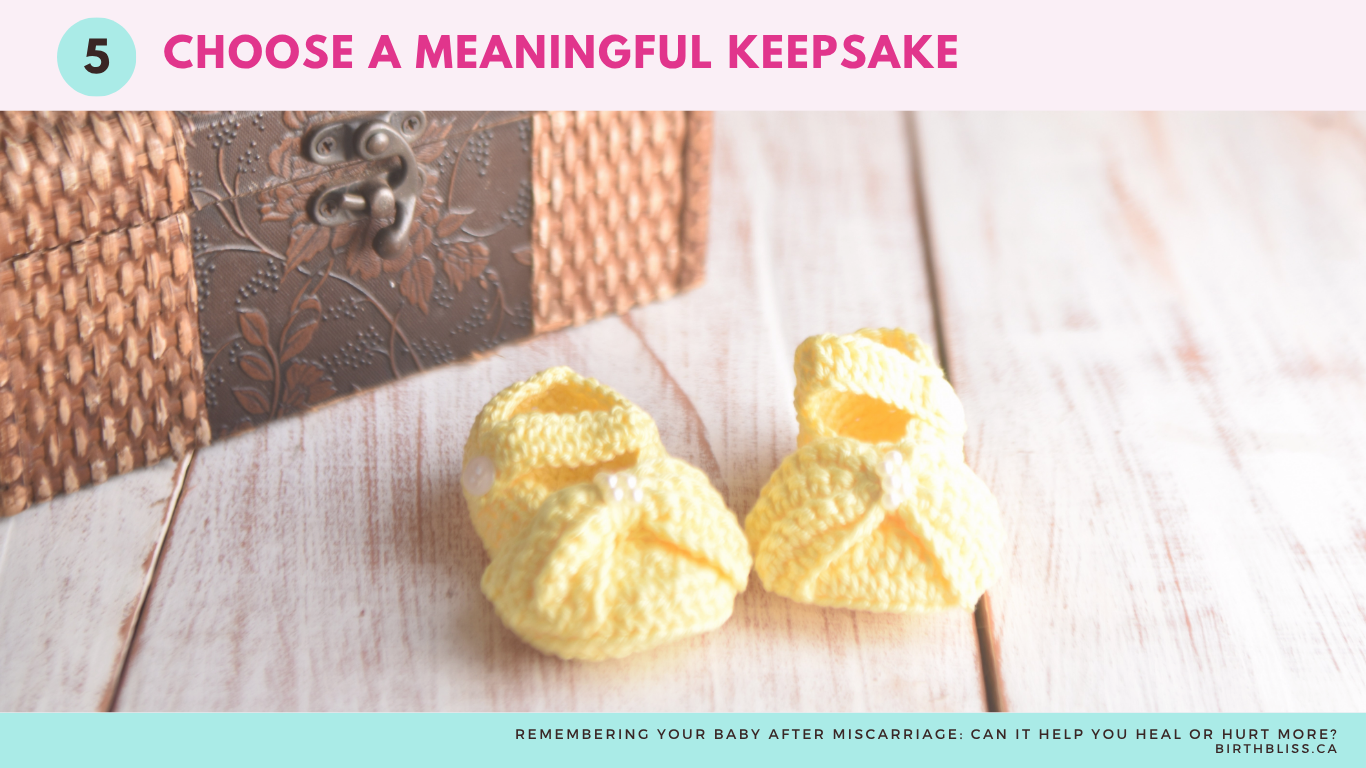
A necklace, bracelet, locket, or keychain can become a personal reminder of your baby.
Some women choose jewelry with a birthstone, a meaningful symbol, or an engraved date.
A keepsake can help you feel connected to your experience while continuing with everyday life.
6. Give Your Baby a Name
Naming your baby is another personal way of remembering a baby after miscarriage.
Some women choose a name they had already imagined during pregnancy. Others find a name that feels meaningful later.
You can keep the name private or share it with loved ones.
There is no need to choose a name if it does not feel right for you.
7. Create a Personal Place of Remembrance
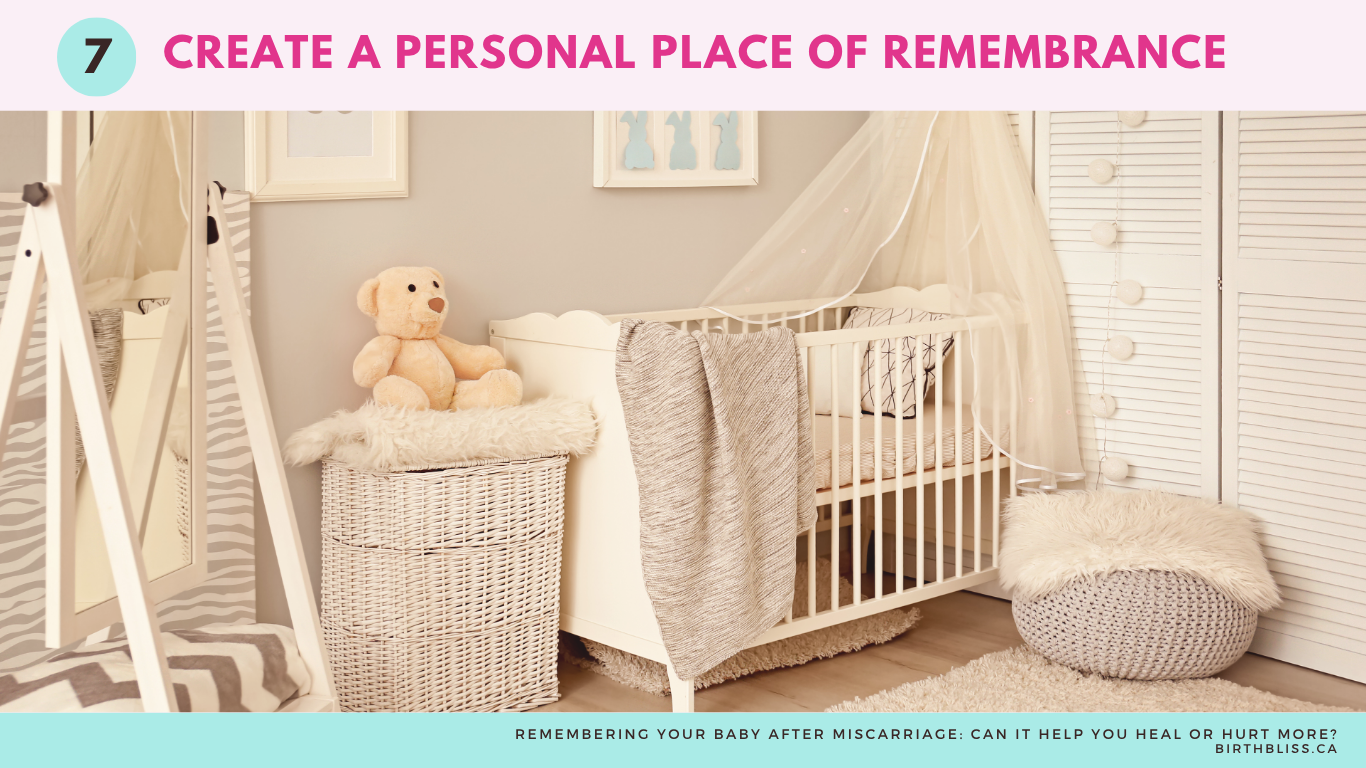
You can dedicate a small corner of your home, garden, or balcony as a place to remember your baby.
It might include a plant, a photograph, a candle, or a meaningful object.
This space can become somewhere you return to when you want to reflect, pray, or simply feel your emotions.
8. Make Something Creative
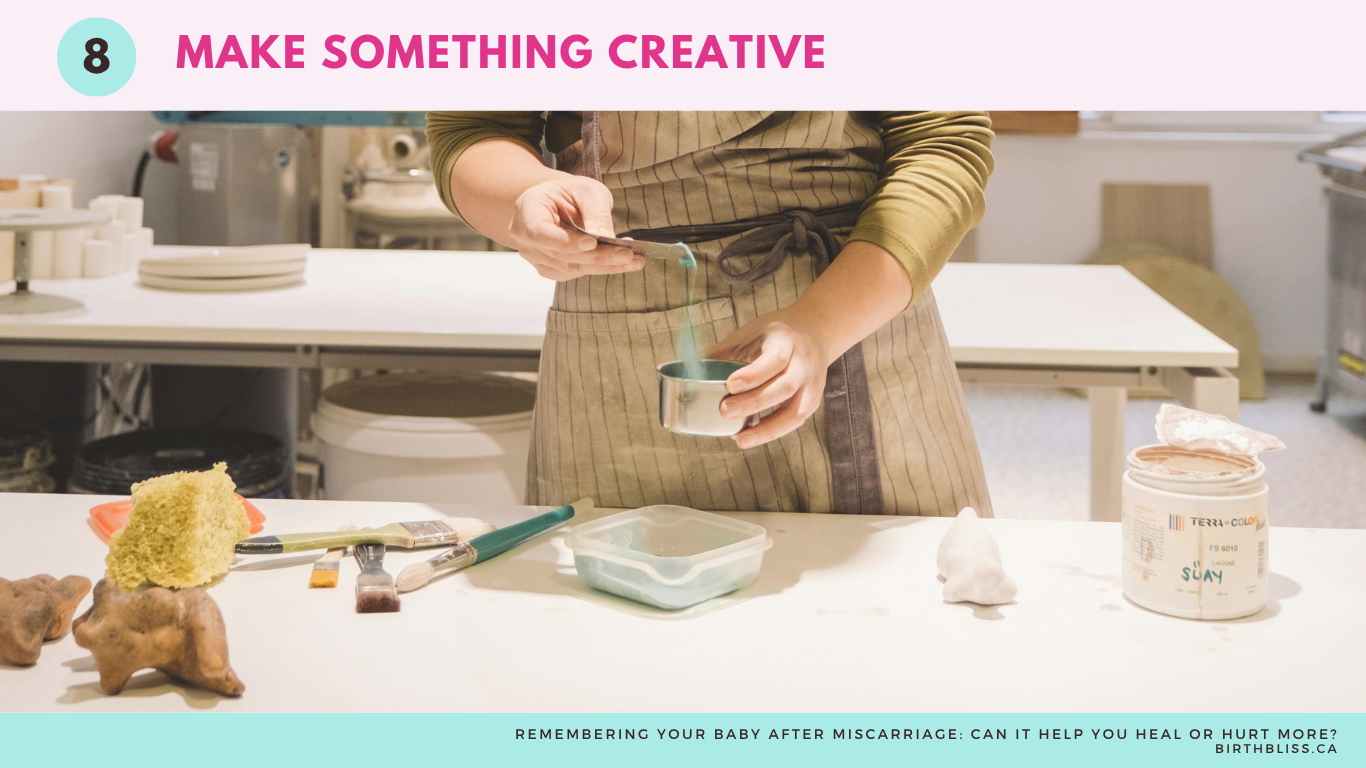
Creative expression can help you communicate feelings that words cannot always capture.
You might:
- Paint a picture.
- Write a poem.
- Make a scrapbook.
- Create a piece of jewelry.
- Draw something that represents your baby.
- Write a song or choose one that reminds you of your pregnancy.
There is no need for artistic talent. The meaning behind what you create is what matters.
9. Perform an Act of Kindness in Your Baby’s Memory
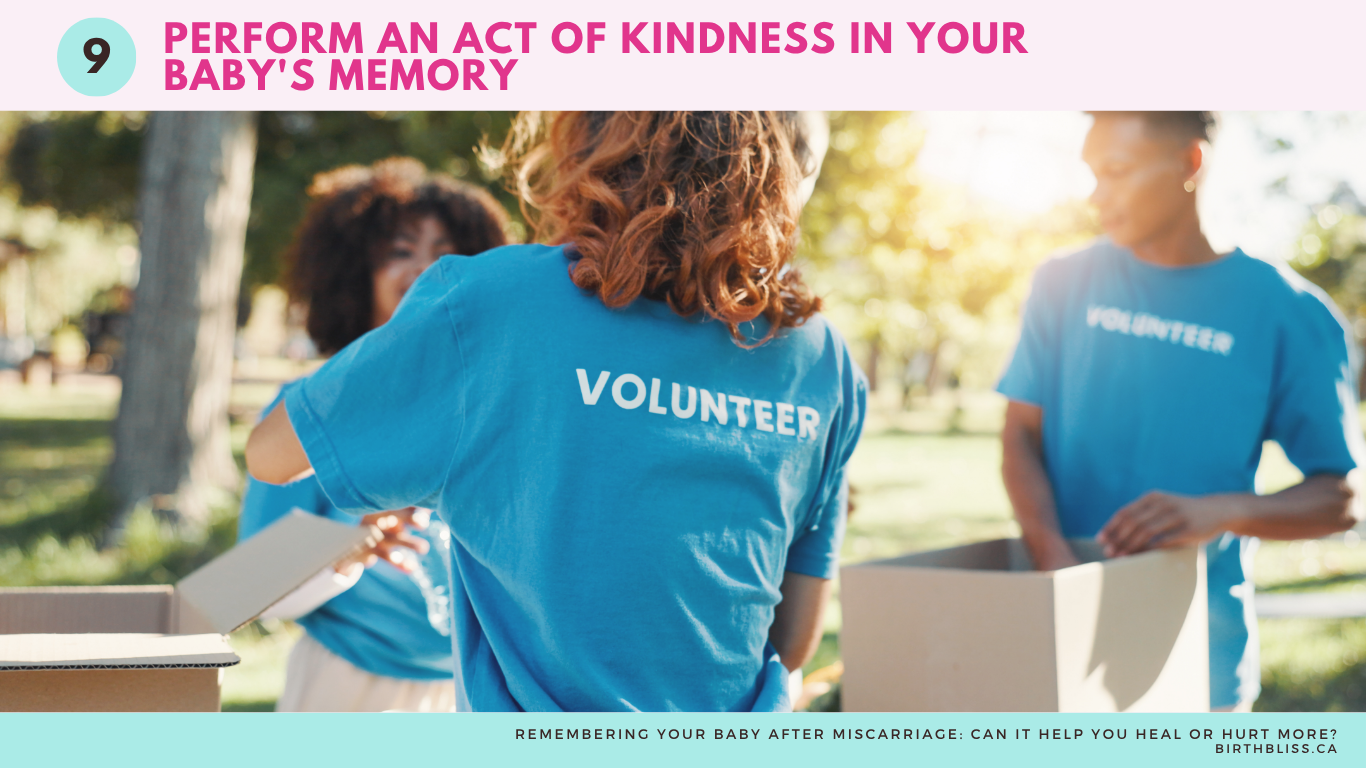
Some women find comfort in doing something kind in their baby’s memory.
You could donate to a pregnancy loss organization, help someone who is struggling, or support a cause that matters to you.
These acts can become a meaningful expression of love without requiring you to turn your grief into something positive.
10. Visit a Meaningful Place

A beach, garden, favorite park, or quiet walking trail can become a place of remembrance.
You might visit on your baby’s due date or whenever you feel the need to spend time with your thoughts.
Being outdoors can also offer a gentle change of environment when emotions feel overwhelming.
11. Share Your Story With Someone You Trust

Sometimes, remembering your baby means allowing yourself to talk about your experience.
You might share your story with your partner, a close friend, or someone who has experienced pregnancy loss.
Talking about your baby can help you feel less alone and remind you that your experience deserves compassion.
You do not have to share your story publicly. A private conversation can be just as meaningful.
12. Observe Pregnancy and Infant Loss Remembrance Day
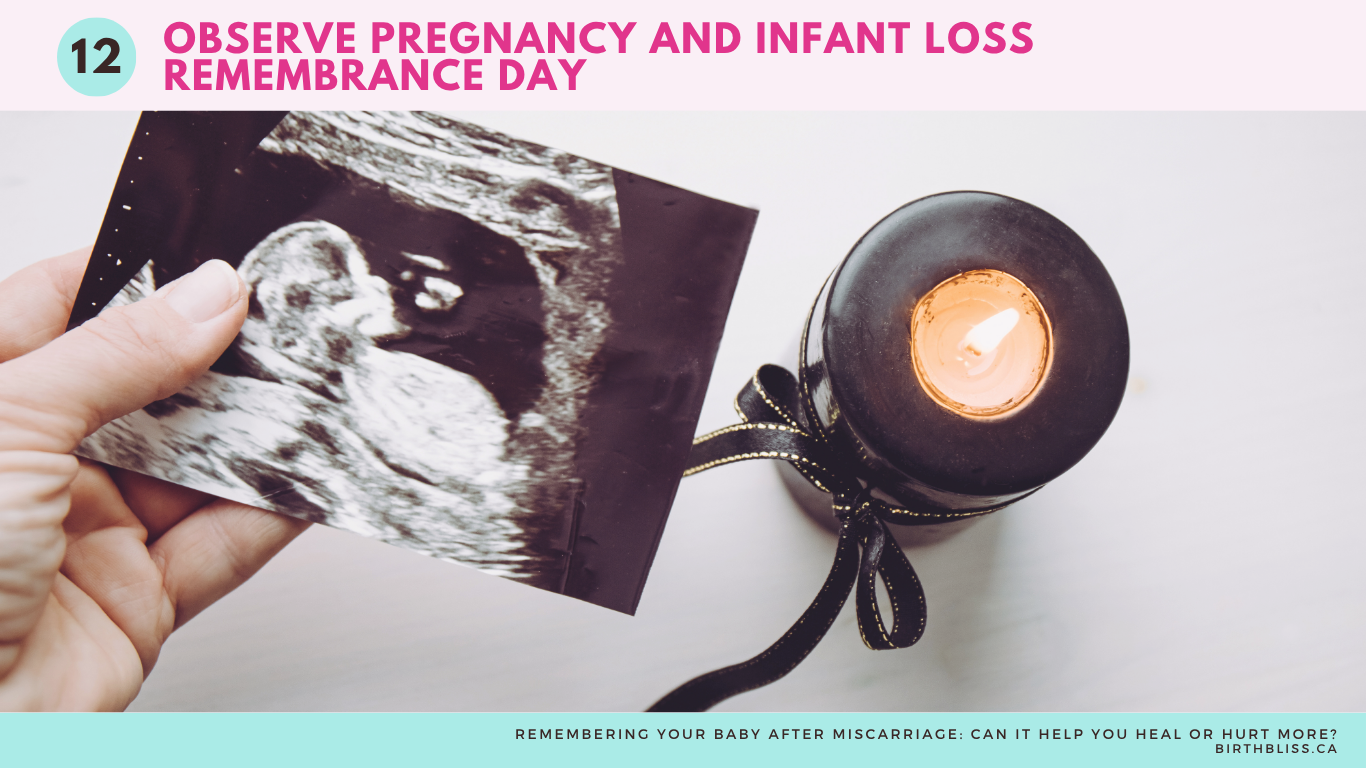
October 15 is Pregnancy and Infant Loss Remembrance Day.
Some families light candles, participate in remembrance activities, or share messages honoring babies lost during pregnancy or infancy.
You can participate in a community event or create your own private moment of remembrance.
There is no expectation to do anything if the day feels too difficult.
13. Return to Your Ritual Whenever You Need It
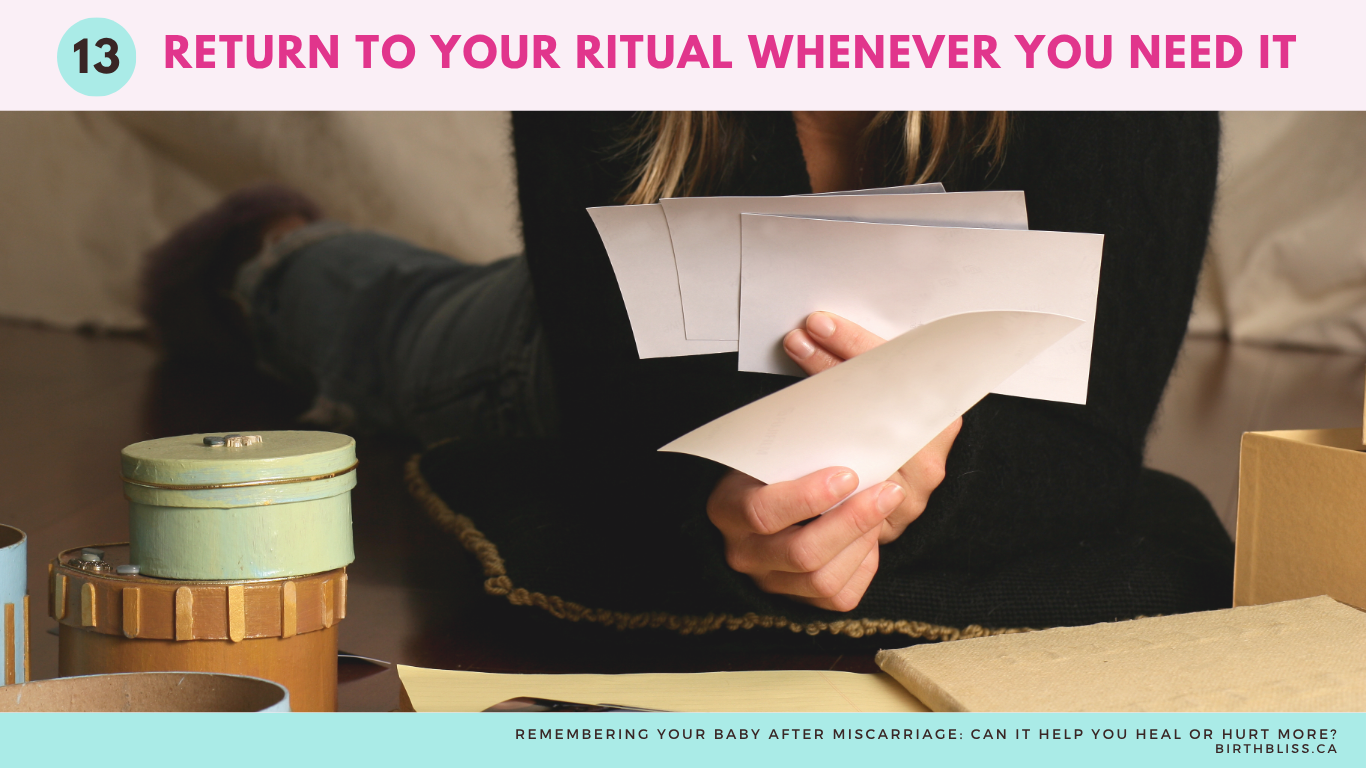
Remembering your baby does not have to happen only once.
You might return to your memory box, plant, keepsake, or letter months or years later.
Some days, you may feel connected to your baby. Other days, you may want to focus on other parts of your life.
Both experiences are part of your journey.
How to Cope With Miscarriage When Memories Feel Overwhelming
While remembrance can be comforting, it can also bring up painful emotions.
If you are wondering how to cope with miscarriage, remember that you do not need to force yourself to remember or avoid remembering.
Here are a few gentle reminders:
Permit yourself to feel. You may experience sadness, anger, guilt, confusion, relief, or several emotions at once. There is no single way to experience miscarriage grief.
Take breaks from remembrance. If looking at photographs or keepsakes feels overwhelming, put them away for now. You can return to them when you feel ready.
Let your grief change over time. Grief after miscarriage may feel different from one day to another. You may feel better for a while and then experience sadness again around certain dates or situations.
Avoid comparing your healing to someone else’s. Every pregnancy and every loss is different. Your grief does not need to follow someone else’s timeline.
Ask for support when you need it. You do not have to manage pregnancy loss grief alone. Talking with a trusted person, counselor, or support group can help you process your emotions.
Healing After Miscarriage Does Not Mean Forgetting
Healing from miscarriage grief means learning that you can move forward while still remembering your baby. You can enjoy life, make new plans, and continue loving the baby you lost.
Emotional healing after miscarriage is not about erasing your experience. It is about carrying your memories while allowing yourself to heal.
Some women find comfort in rituals, while others prefer quiet remembrance. Whatever feels right for you is enough.
If you need pregnancy loss support, Bloom After Loss offers a donation-based support program for women navigating miscarriage and pregnancy loss.
You Can Remember Your Baby in Your Own Way
Remembering your baby after pregnancy loss is deeply personal. You may create a memory box, plant a flower, write a letter, or simply hold a quiet moment in your heart.
There is no deadline for remembering or requirement to create a memorial. Your baby was part of your story, and your love does not need to be proven.
You are allowed to remember, heal, and move forward at your own pace.
Exclusive Deals:
- FREE Pregnancy Power Smoothie Guide to Ease Nausea and Boost Energy: https://birthbliss.kit.com/smoothie-guide
- The Ultimate Pregnancy Fuel Guide (Complete with 1-3 months pregnancy diet chart): https://get.birthbliss.ca/pregnancy-fuel-guide/
- Grab Mellow Mornings for Pregnancy for a calm start to your day filled with baby love: https://get.birthbliss.ca/mellow-mornings/
- Get relief from pregnancy nausea! Discover the Bye-Bye Morning Sickness Formula: https://get.birthbliss.ca/bye-byemorningsickness/
- Find Connection Inside BLOOMFUL. Join a community of expecting moms just like you, exploring holistic tools for a better pregnancy: https://get.birthbliss.ca/bloomful/
- Grab the Guide to an Easier Birth: https://get.birthbliss.ca/bb/
- Join our FREE → LOVE Your Birth Workshop. You’ll learn 3 steps to ease pain during labor (without an epidural): https://get.birthbliss.ca/training/